Buggy: A Bold Display Font for Modern Web and Digital Design
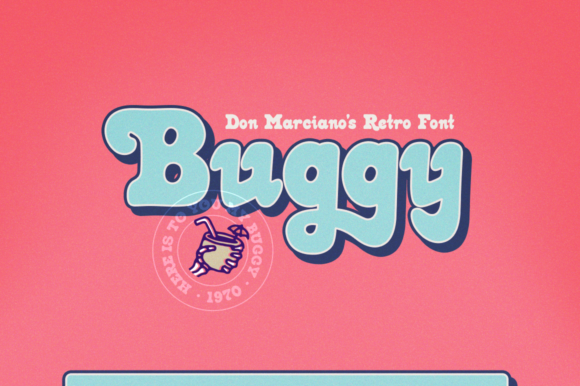
Buggy is more than just a font—it's a visual statement. As a web designer, I’m always on the lookout for display fonts that bring personality without compromising readability. Buggy strikes that balance perfectly. It’s a retro-styled typeface with enough modern flair to feel current, yet distinctive enough to stand out in a sea of generic web fonts. Whether you're crafting a landing page, designing a portfolio site, or building a digital brand kit, Buggy offers a unique visual rhythm that enhances user experience and brand tone.
At first glance, Buggy commands attention. Its bold letterforms, clean edges, and subtle vintage touches make it ideal for hero sections, logo text, and short-form digital content. Unlike many decorative fonts that lose clarity at smaller sizes, Buggy maintains legibility even when used in buttons or mobile navigation bars. This makes it a versatile choice for both desktop and responsive web design, especially when used selectively in high-impact areas like headlines and call-to-action buttons.
How Buggy Elevates Digital Branding and Visual Hierarchy
Visual hierarchy is one of the most important aspects of effective web design. Buggy supports this by naturally drawing the eye. When used in a hero header or a product landing page, it sets the tone before the user even reads the content. Its bold presence works especially well for brands with a creative or boutique identity—think design studios, lifestyle blogs, or premium online shops that want to convey a sense of curated style.
From a usability standpoint, Buggy works best as a display font. It’s not suited for long paragraphs, but it excels in short, impactful text blocks. For example, using Buggy in a course sales page header or a social media graphic ensures the message is seen and remembered. Pair it with a clean sans serif like Helvetica or a readable serif like Georgia for body copy, and you create a balanced, professional layout that guides the user’s eye naturally through the page.
Practical Uses for Buggy in Web and Digital Projects
I’ve used Buggy across a range of digital projects, and it consistently performs well. Here are a few real-world applications where it shines:
- Creative Portfolio Websites: Perfect for bold section headers and project titles. Adds a retro-cool edge to a designer or photographer’s online presence.
- Boutique Online Stores: Works great in banners, product titles, and promotional pop-ups. Helps establish a unique brand voice without overwhelming the shopping experience.
- Coaching and Service Websites: Use Buggy in hero sections or testimonials to give a warm, approachable feel that builds trust.
- Landing Pages: Ideal for headlines and CTA buttons. Its clarity and boldness help convert attention into action.
- Digital Brand Kits: Adds a signature look to branded graphics, social media templates, and downloadable assets.
One of the key advantages of Buggy is its adaptability across different digital environments. Whether you're designing a SaaS dashboard, a blog header, or a digital ad, it integrates smoothly while maintaining its distinct character.
Readability Tips for Using Buggy on the Web
Despite its boldness, Buggy remains surprisingly readable. Still, it’s important to use it wisely. On mobile screens, keep its usage limited to large headers and avoid shrinking it into tiny labels or form fields. When placing Buggy over images or dark backgrounds, ensure there’s enough contrast—white text with a subtle drop shadow works well for readability without sacrificing style.
For buttons and short UI elements, test Buggy at smaller sizes to make sure it doesn’t become too condensed. In some cases, using alternate letterforms or spacing adjustments can help maintain clarity. Always preview the font in real-world contexts—like a live landing page or an app screen—before final deployment.
Font Pairing Strategies with Buggy
Font pairing is essential for creating a cohesive digital identity. Since Buggy is a decorative display font, it pairs best with more neutral typefaces. Here are a few combinations I’ve found effective:
- Buggy + Open Sans: Clean, modern, and highly readable. Ideal for landing pages and digital product interfaces.
- Buggy + Georgia: Adds a touch of editorial sophistication. Great for blog headers and content-driven sites.
- Buggy + Montserrat: A balanced mix of bold and geometric. Works well for branding and SaaS platforms.
When designing a brand-focused web experience, consider using Buggy for logo text or section headers while relying on a more traditional font family for navigation, footers, and body content. This contrast helps establish a clear visual hierarchy and reinforces brand recognition.
Technical Considerations for Web Use
Before integrating Buggy into a live site, always check the available styles, weights, and file formats. Most premium display fonts like Buggy come with multiple weights (bold, regular, light), alternate characters, and multilingual support. These features are crucial when designing for international audiences or when you need stylistic flexibility.
Also, ensure that the font is available in web-optimized formats such as WOFF or WOFF2. If you're using Buggy on a WordPress site or a no-code platform like Webflow, confirm that it can be uploaded and used without performance issues. Too many custom fonts can slow down page load times, so always use display fonts like Buggy sparingly and optimize their loading strategy.
Commercial Licensing and Usage Rights
As a professional designer, I always double-check the licensing terms of any font I use—especially for client work or commercial projects. Buggy is typically sold with a commercial license, which means it can be used in websites, digital products, online stores, and marketing materials. However, it’s important to verify whether the license includes webfont hosting, app embedding, or template resale rights depending on your use case.
For example, if you’re building a Shopify theme or a Figma UI kit to sell, you’ll need a license that explicitly permits those applications. Always download Buggy from a trusted source to ensure you’re getting the correct licensing and file integrity.